A. Standalone Fiber Marking
For manual loading, sample trials or a local part-marking station.
- Fiber laser unit and controller
- Part fixture and focal positioning
- Operator code-selection controls

High-speed marking for metal, cable and pipe
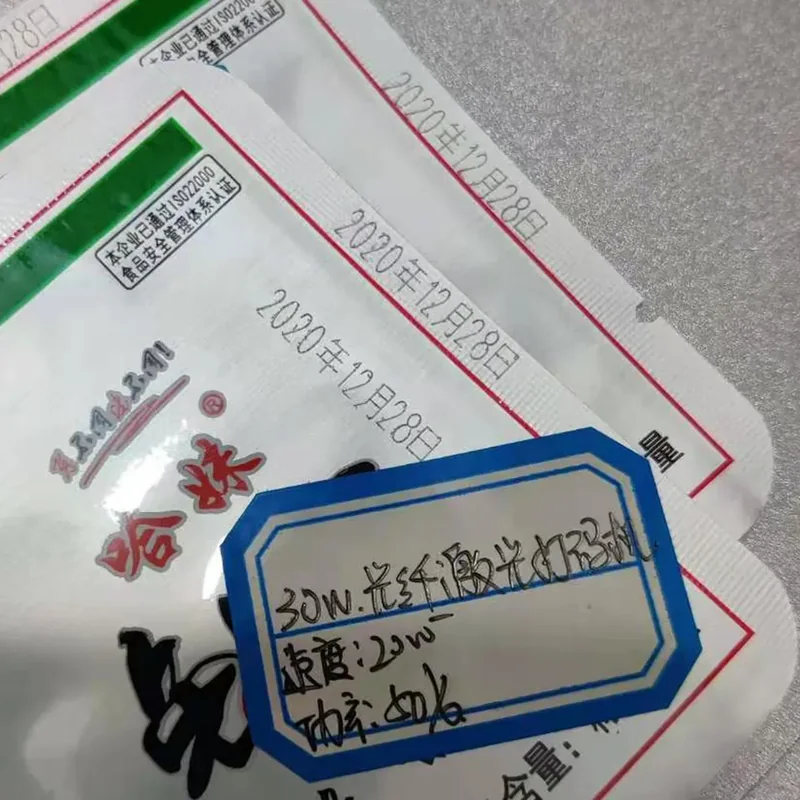
Select a VORANIX 1064 nm fiber laser for metals and selected non-metals, PE/PVC pipe, high-speed cable, aluminum foil pouches and other production-line applications after material and cycle-time testing.
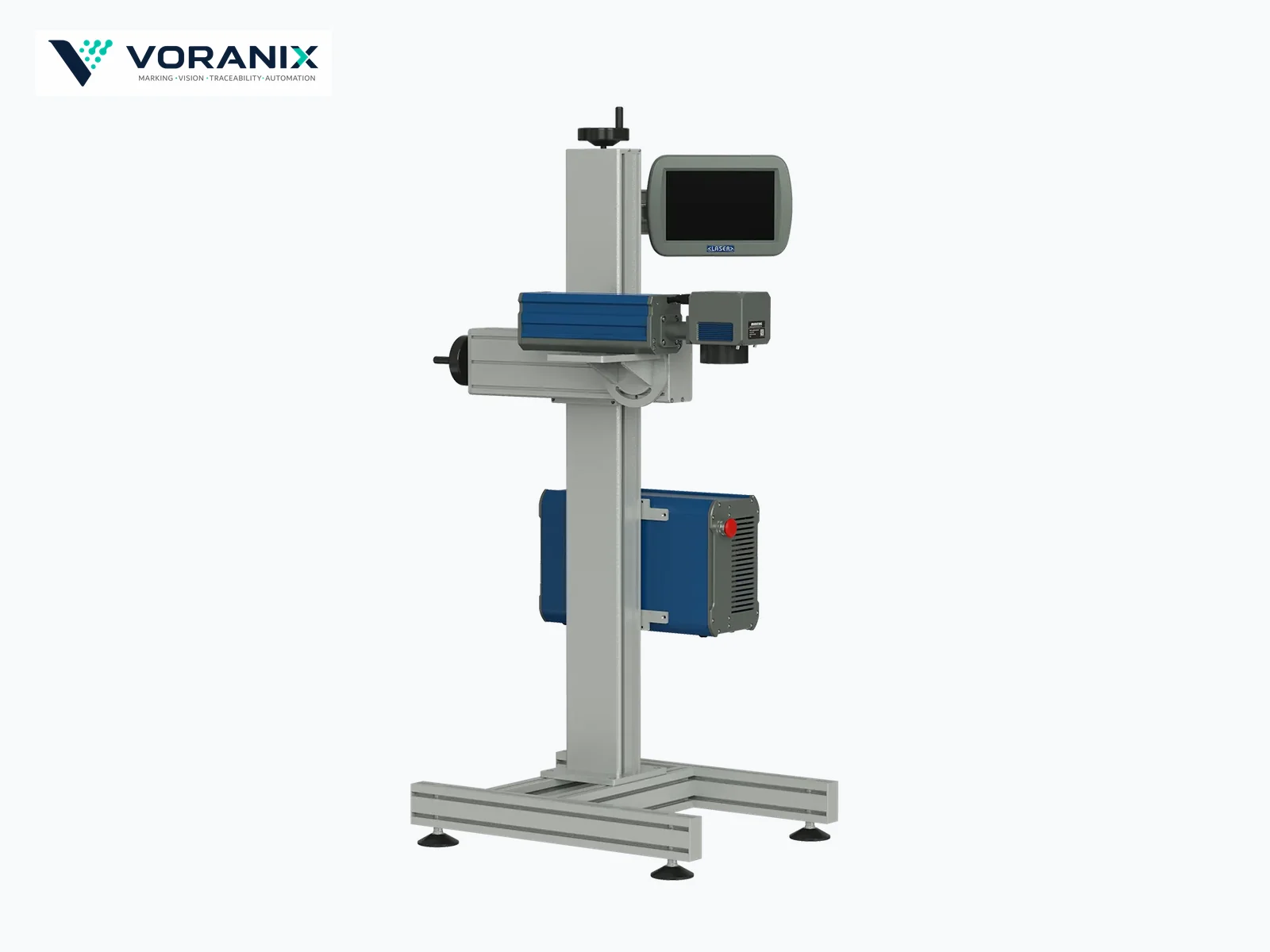
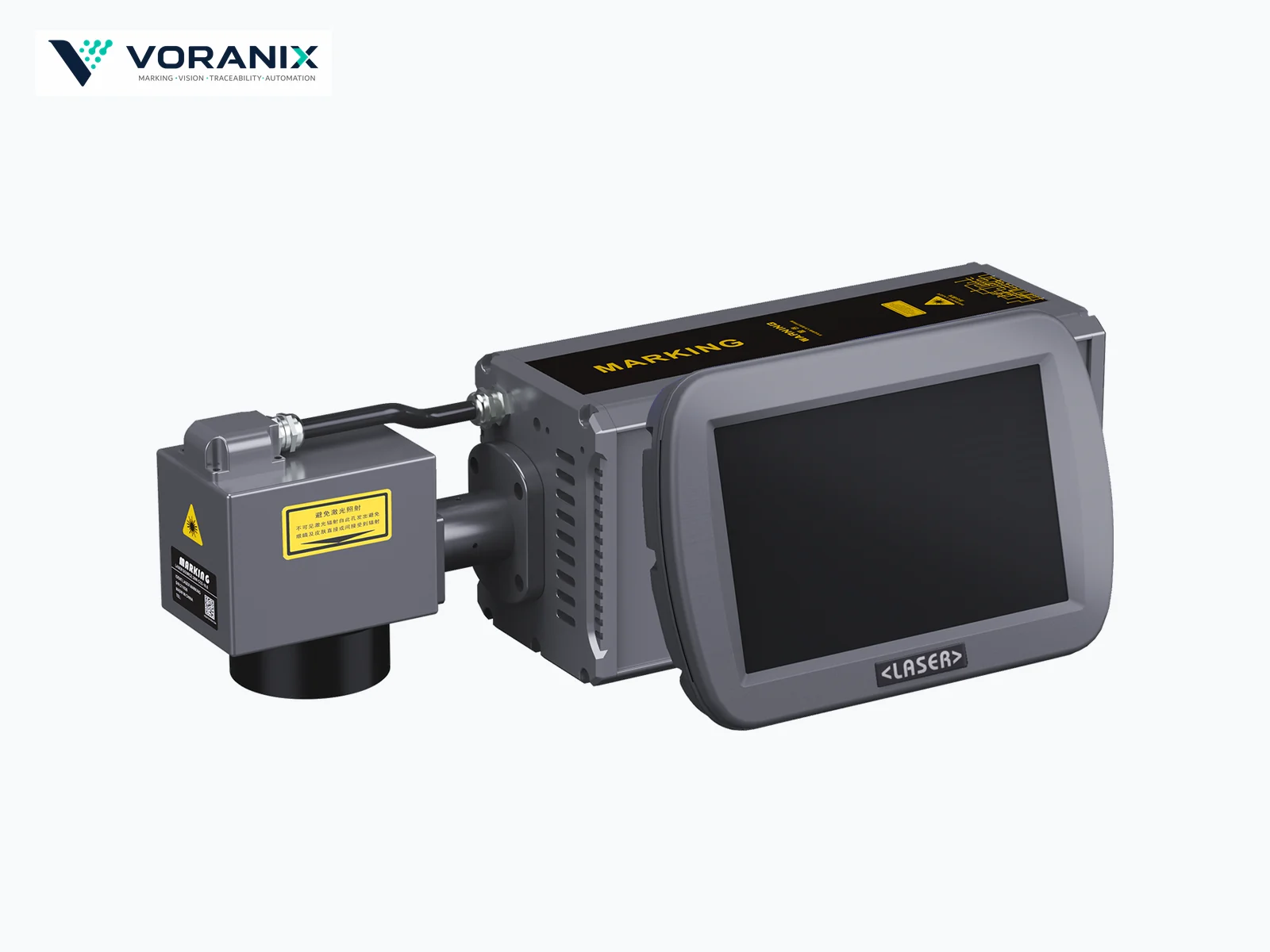
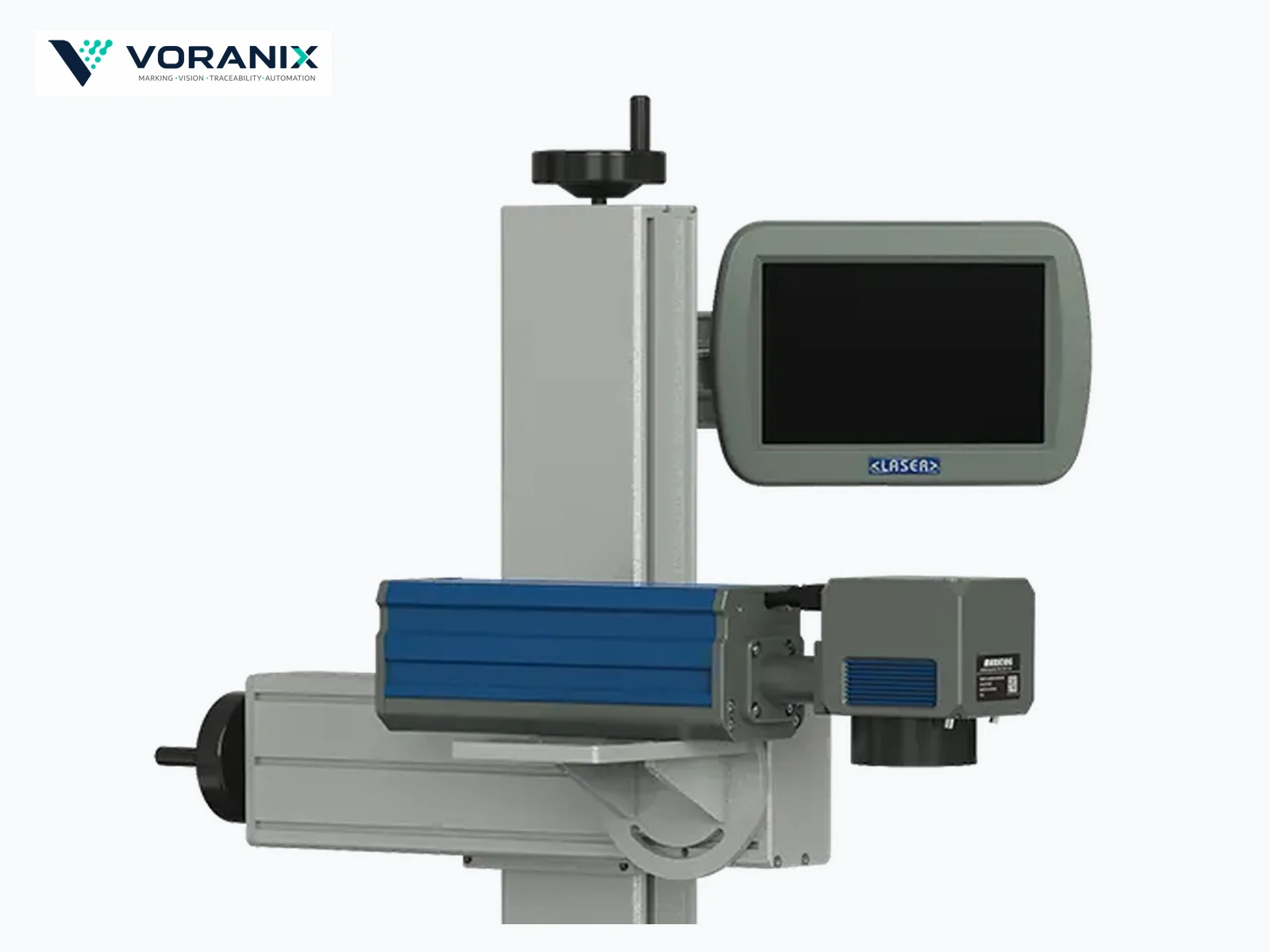
Application fit
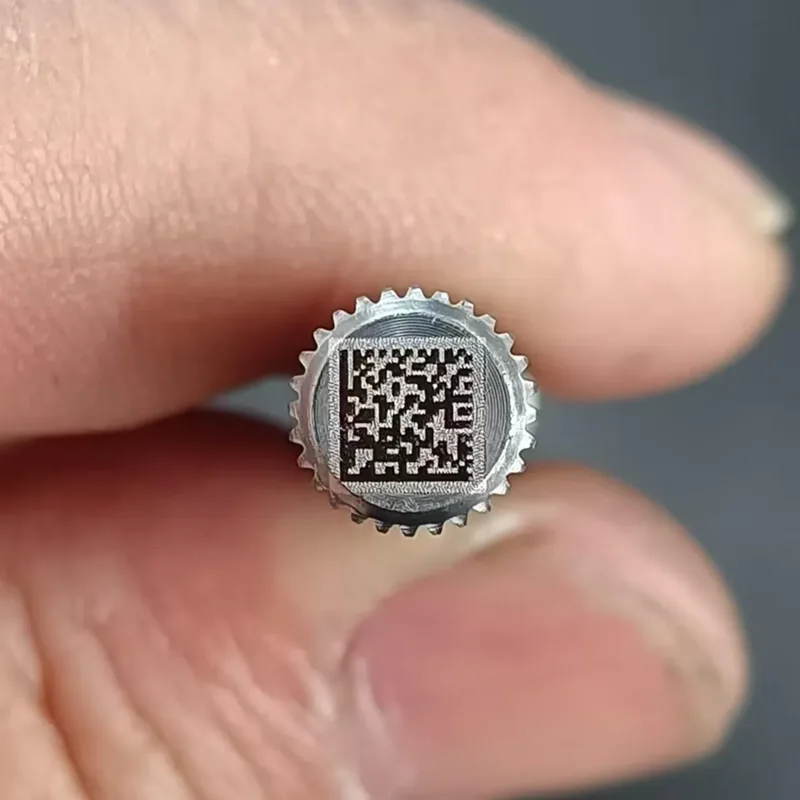
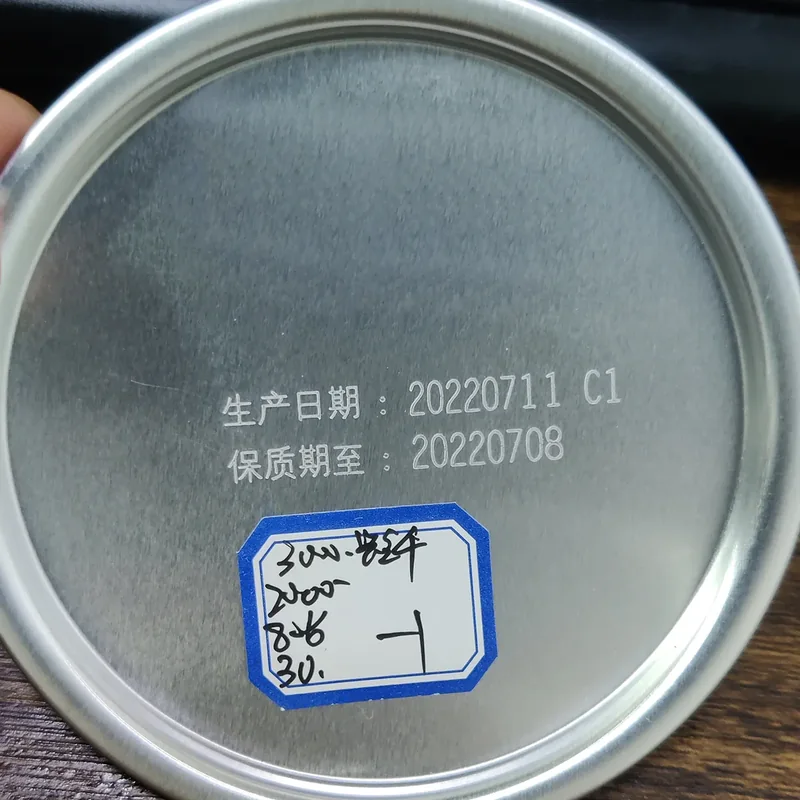
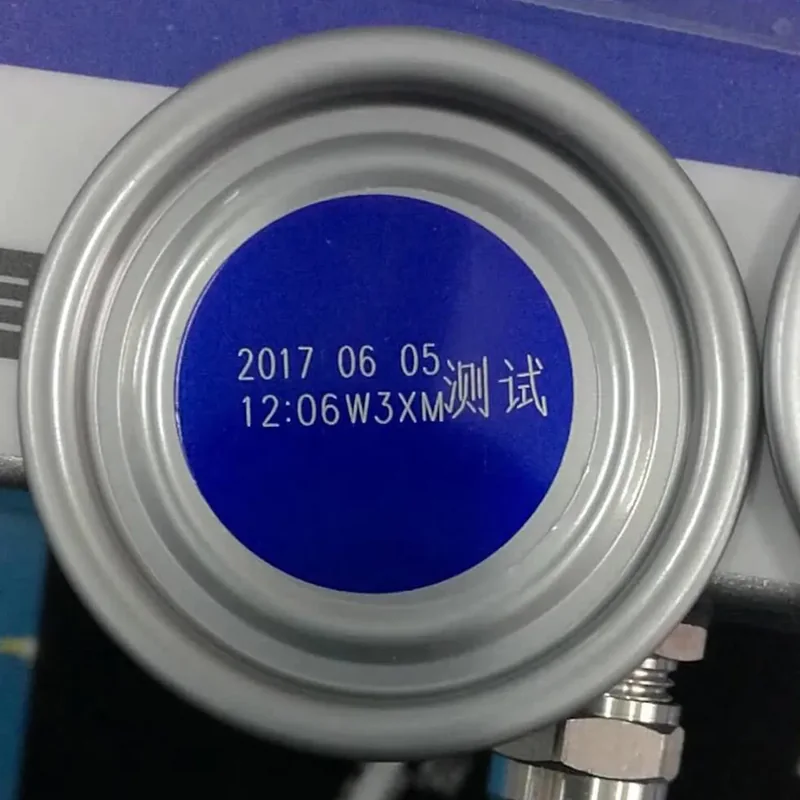
Fiber laser marking is evaluated for durable identification on metals and selected non-metals, plus PE/PVC pipe, high-speed cable and aluminum foil pouch applications. The exact material, pigment, coating, mark content and line conditions determine whether 20 W, 30 W or 50 W is appropriate.
Three scalable system levels
These are provisional architectures. Final components and boundaries depend on engineering discovery and verified technical data.
For manual loading, sample trials or a local part-marking station.
For indexed or conveyor-fed parts requiring a verification decision.
For unique codes connected to production data and records.
Technical parameters
| project | Parametertable | VORANIX FL30W | VORANIX FL50W | VORANIX FL100W |
|---|---|---|---|---|
| characteristic | Machine material | All aluminum sandblasting oxidation | All aluminum sandblasting oxidation | All aluminum sandblasting oxidation |
| characteristic | Laser | The service life is more than 100000 hours | The service life is more than 100000 hours | The service life is more than 100000 hours |
| characteristic | Laser wavelength | 1064nm | 1064nm | 1064nm |
| characteristic | output power | ≥30W | ≥50W | ≥100W |
| characteristic | Marking speed | ≤12000mm/s | ≤12000mm/s | ≤12000mm/s |
| characteristic | controller | 10.2 inch touch controller | 10.2 inch touch controller | 10.2 inch touch controller |
| characteristic | Cooling system | Air cooling | Air cooling | Air cooling |
| parameter | Focus lens | 165mm | 165mm | 165mm |
| parameter | Minimum linewidth | 0.012mm | 0.012mm | 0.012mm |
| parameter | Repetitionaccuracy | 0.003mm | 0.003mm | 0.003mm |
| parameter | Marking range | 110mm×110mm(optinal) | 110mm×110mm(optinal) | 110mm×110mm(optinal) |
| parameter | Positioning mode | Blue light indication | Blue light indication | Blue light indication |
| parameter | Number of rows | Any line within the marking range | Any line within the marking range | Any line within the marking range |
| parameter | Production line speed | 0~130m/min (depending on the material) | 0~130m/min (depending on the material) | 0~130m/min (depending on the material) |
| Software | Multilingual | English, Spanish, German, Chinese, Russian, Arabic, etc | English, Spanish, German, Chinese, Russian, Arabic, etc | English, Spanish, German, Chinese, Russian, Arabic, etc |
| Software | jurisdiction | Multi user management authority | Multi user management authority | Multi user management authority |
| Software | operating system | Linuxsystem | Linuxsystem | Linuxsystem |
| Software | Inkjet mode | Static, analog, encoder | Static, analog, encoder | Static, analog, encoder |
| Software | Reserved signal | Start, print status, finish, fault | Start, print status, finish, fault | Start, print status, finish, fault |
| Software | data protection | With power failure data protection energy | With power failure data protection energy | With power failure data protection energy |
| Software | monitor | Provide overspeed alarm function | Provide overspeed alarm function | Provide overspeed alarm function |
| Software | De crossing | Automatic removal of intersections | Automatic removal of intersections | Automatic removal of intersections |
| Software | Coding software | Single and double machine code sending | Single and double machine code sending | Single and double machine code sending |
| Support type | typeface | Chinese and English, numbers, traditional, etc | Chinese and English, numbers, traditional, etc | Chinese and English, numbers, traditional, etc |
| Support type | file format | BMP/DXF/HPGL/JPEG/PLT | BMP/DXF/HPGL/JPEG/PLT | BMP/DXF/HPGL/JPEG/PLT |
| Support type | bar code | CODE39、CODE128、CODE126、QR | CODE39、CODE128、CODE126、QR | CODE39、CODE128、CODE126、QR |
| Servicing parameters | Power Supply | 220V/50HZ | 220V/50HZ | 220V/50HZ |
| Servicing parameters | Power consumption | 400W | 400W | 400W |
| Servicing parameters | Net weight of machine | 28kg | 28kg | 28kg |
| Servicing parameters | Overall dimension | nose:500mmX103mmX110mm Control box:416mmX170mmX267mm | nose:500mmX103mmX110mm Control box:416mmX170mmX267mm | nose:500mmX103mmX110mm Control box:416mmX170mmX267mm |
| environment | requirement | External temperature0℃-45℃;humidity≤95 | External temperature0℃-45℃;humidity≤95 | External temperature0℃-45℃;humidity≤95 |
| Serial number | name |
|---|---|
| GB 7247-87 | Radiation safety of laser products |
| GB10320-88 | Electrical safety of laser equipment and facilities |
| ISO9000-3 | International software standards |
| GB/T12123-89 | Sales packaging procedure |
| IEC 536 | Protection equipment against electric shock |
Material screening
Production tasks
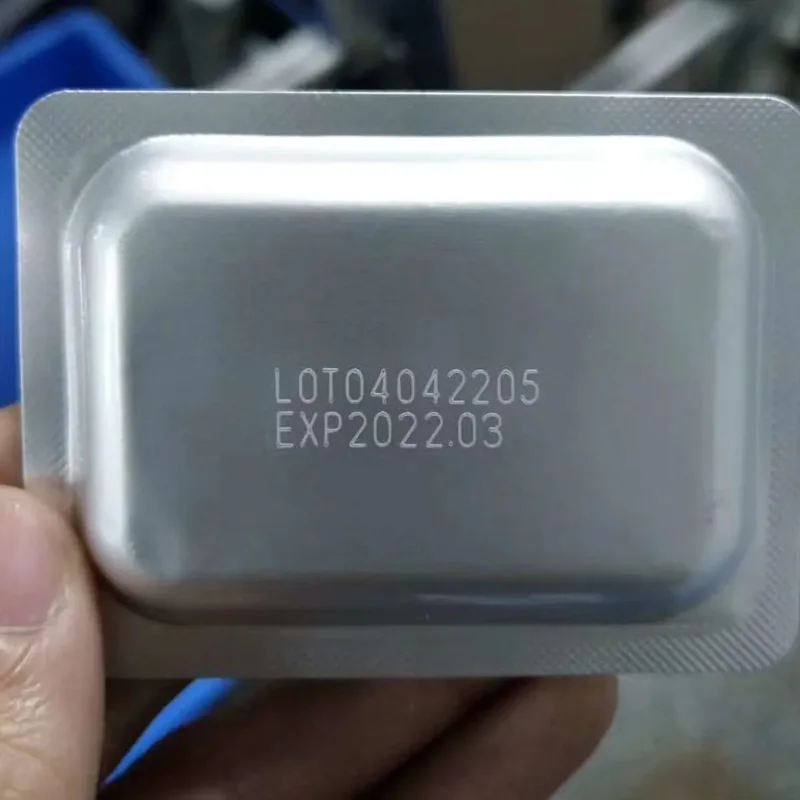
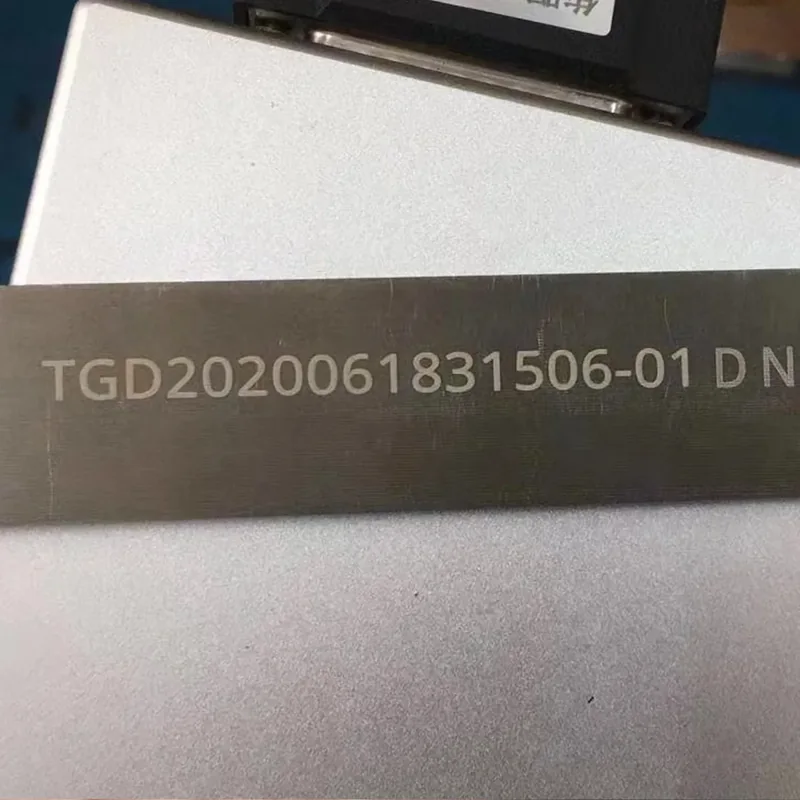
Available visual evidence
Images are presented as application-screening evidence only. They do not establish production speed, durability, verification grade or compliance.
Selection guide
Provide alloy, coating, finish, color and any surface treatment.
Clarify whether the goal is engraving, color change, annealing-like contrast or coating removal.
Provide code content, field size, part motion, takt time and focus tolerance.
Confirm fixture, loading method, vision task, PLC handshake and record requirements.
Engineering integration
Engineering review must cover the selected 20 W, 30 W or 50 W source, optics, focus control, guarding and interlocks, extraction, pipe or cable guidance, encoder tracking, vision lighting, PLC timing, reject or stop behavior and data interfaces. High-speed cable and pipe performance must be validated with the real line.
No verified customer, site, model, before/after result or publication permission was found. Add a case study only after those records are supplied.
Review case-study requirementsFrequently asked questions
Many metals and selected non-metals can be evaluated, but mark appearance and speed vary by alloy, coating, pigment and finish. A sample test is required.
These are target applications for the VORANIX fiber range. The real jacket or pipe material, pigment, code size, encoder tracking and line speed must be tested.
The supplied range includes GX-20W, GX-30W and GX-50W. Selection still depends on the code, material, field size, line speed and desired mark.
A vision module can be designed to read or grade a code, but the exact verification standard, lighting, resolution and line speed must be defined.
No. The current photos are visible test evidence only. They do not include verified settings, speed, durability or acceptance criteria.
Request a provisional system concept
VORANIX can compare standalone, print-and-verify and traceability options after the key application variables and samples are reviewed.