I know the technology
Compare laser, inkjet, packaging and vision technologies.
Browse products
Industrial coding, verification and data integration
Configure laser marking, industrial inkjet, vision inspection and traceability around your product, material and production line.
Preliminary recommendations require engineering review before final specification.
Start with your decision
Compare laser, inkjet, packaging and vision technologies.
Browse productsStart with the product, package, material or production challenge.
Explore applicationsProvide the key application variables and receive provisional options.
Start the solution finderCoding and marking technologies
Explore VORANIX marking, coding, labeling and vision technologies by application fit, selection factors, integration and limitations.
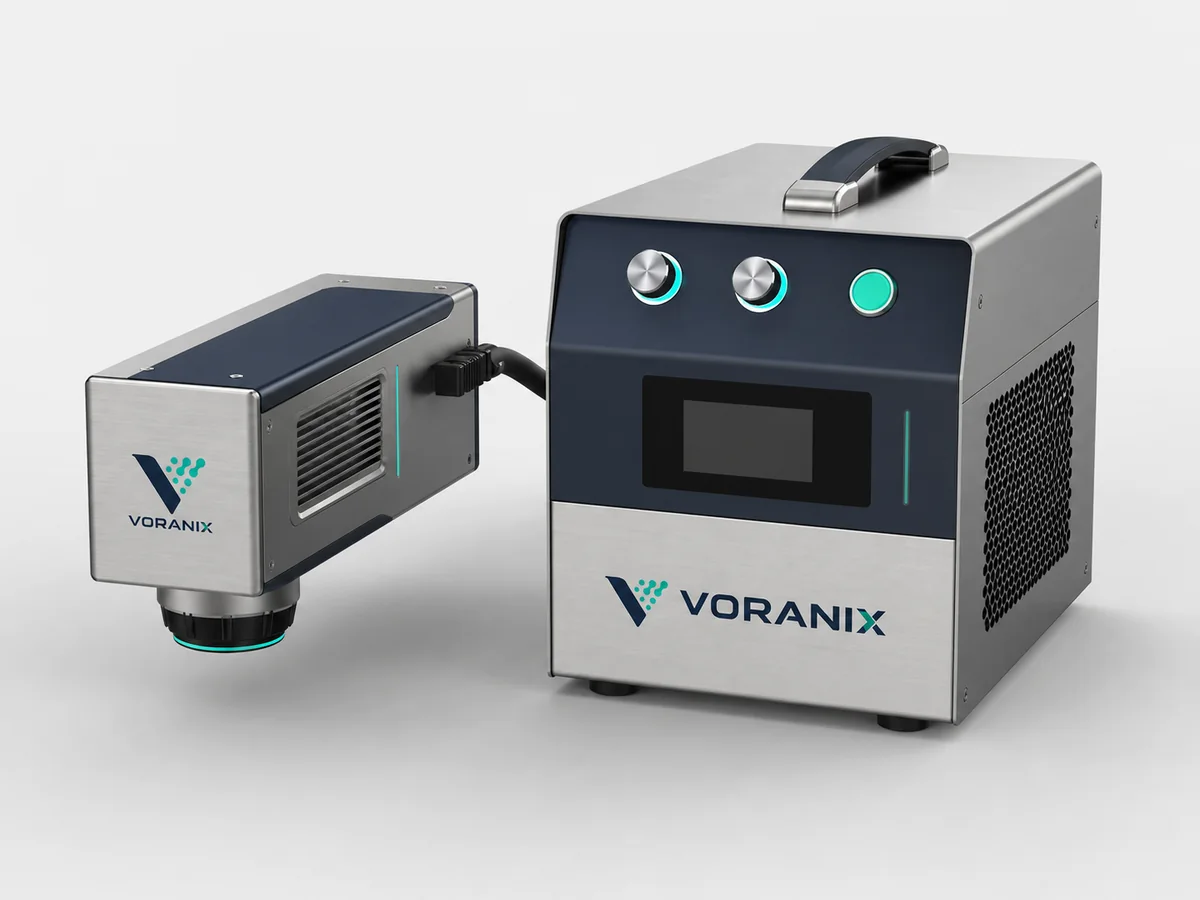
Compare UV, fiber and CO2 by material response, code quality, permanence and line conditions.
Explore technology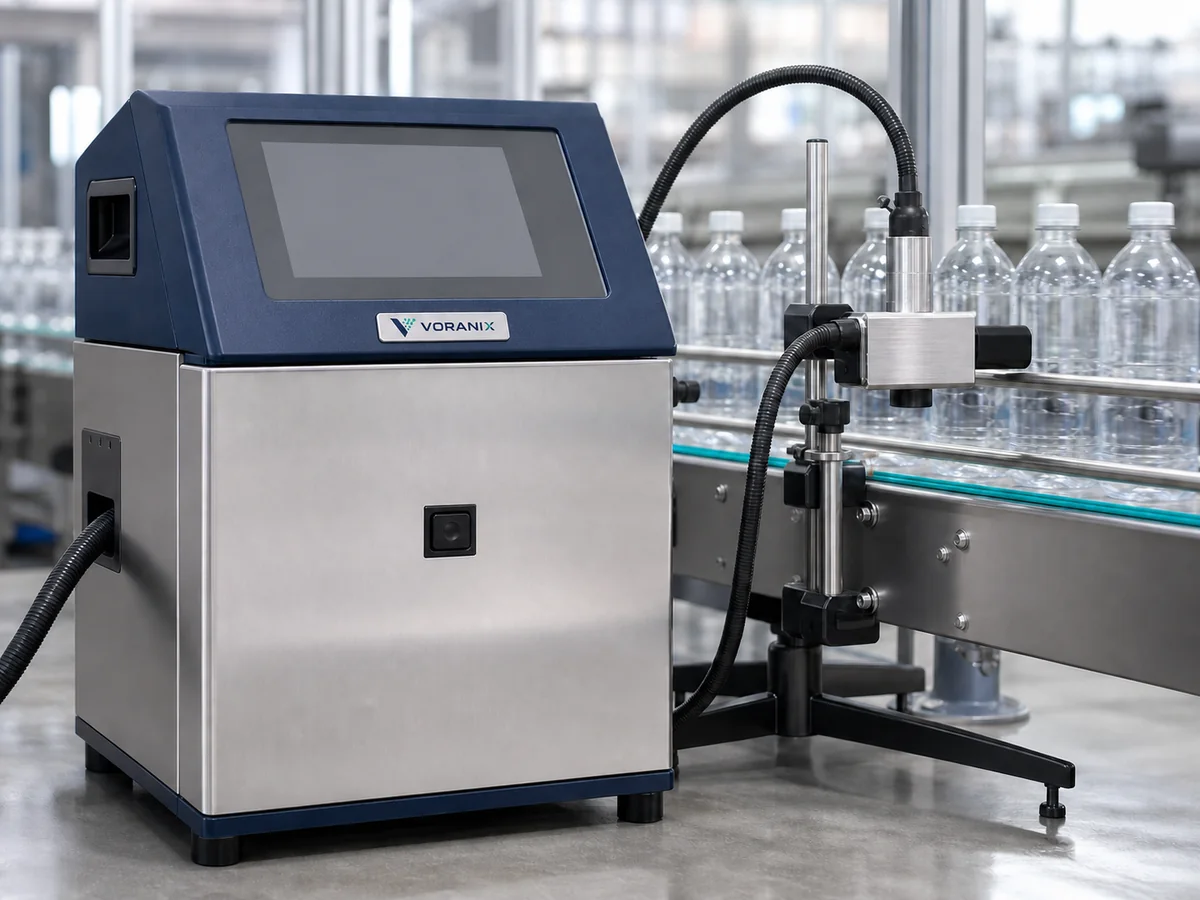
Assess substrate, throw distance, contrast, message content, speed, environment and maintenance.
Explore technology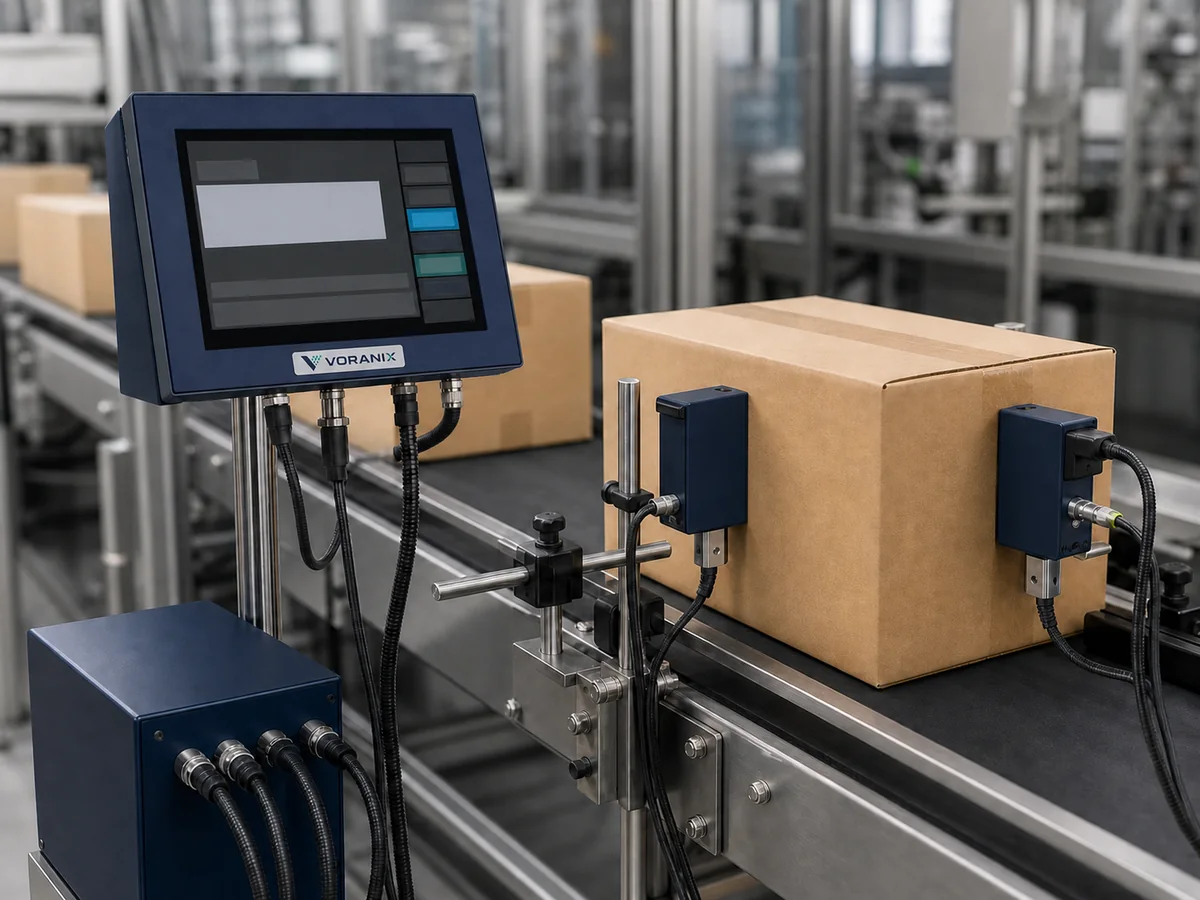
Configure compact high-resolution coding for cartons, labels and porous or non-porous materials.
Explore technology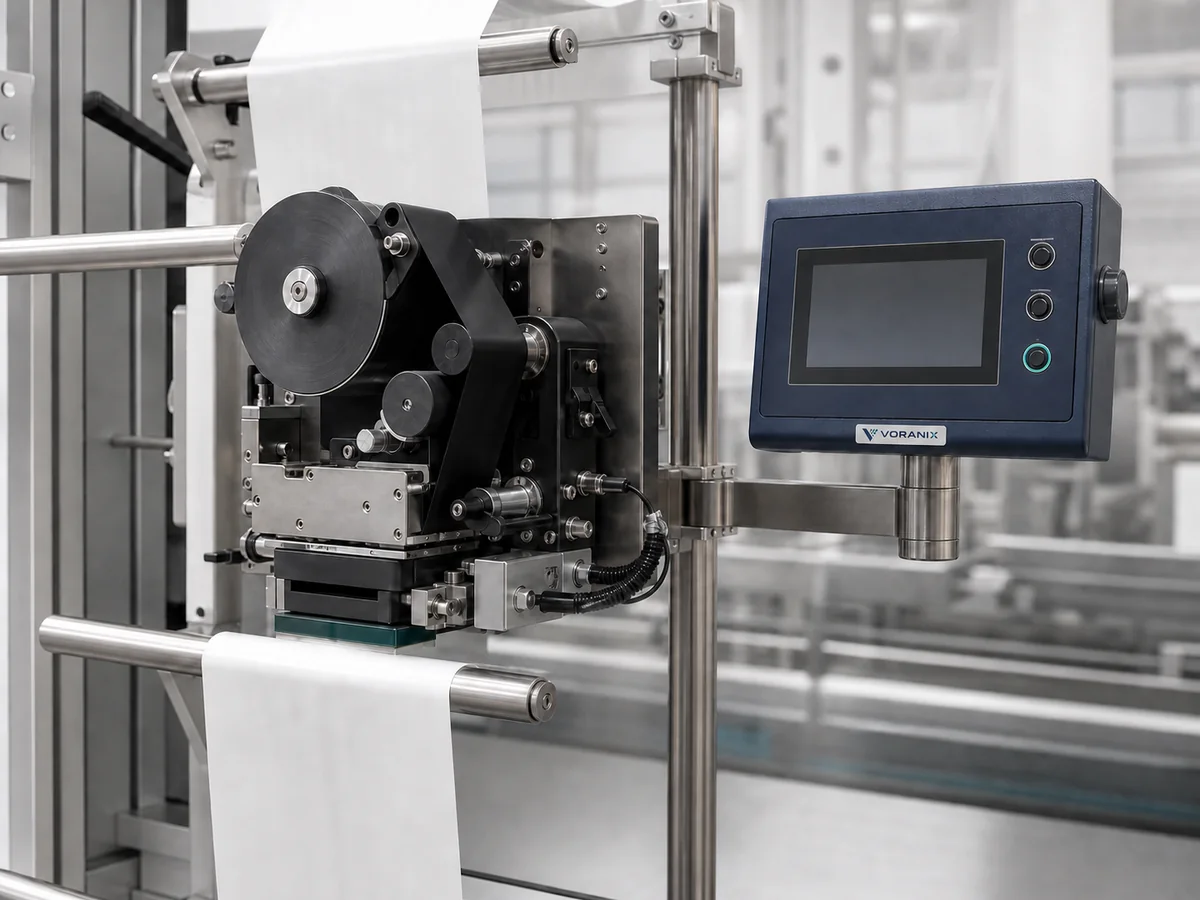
Integrate variable-data printing into intermittent or continuous flexible-packaging equipment.
Explore technology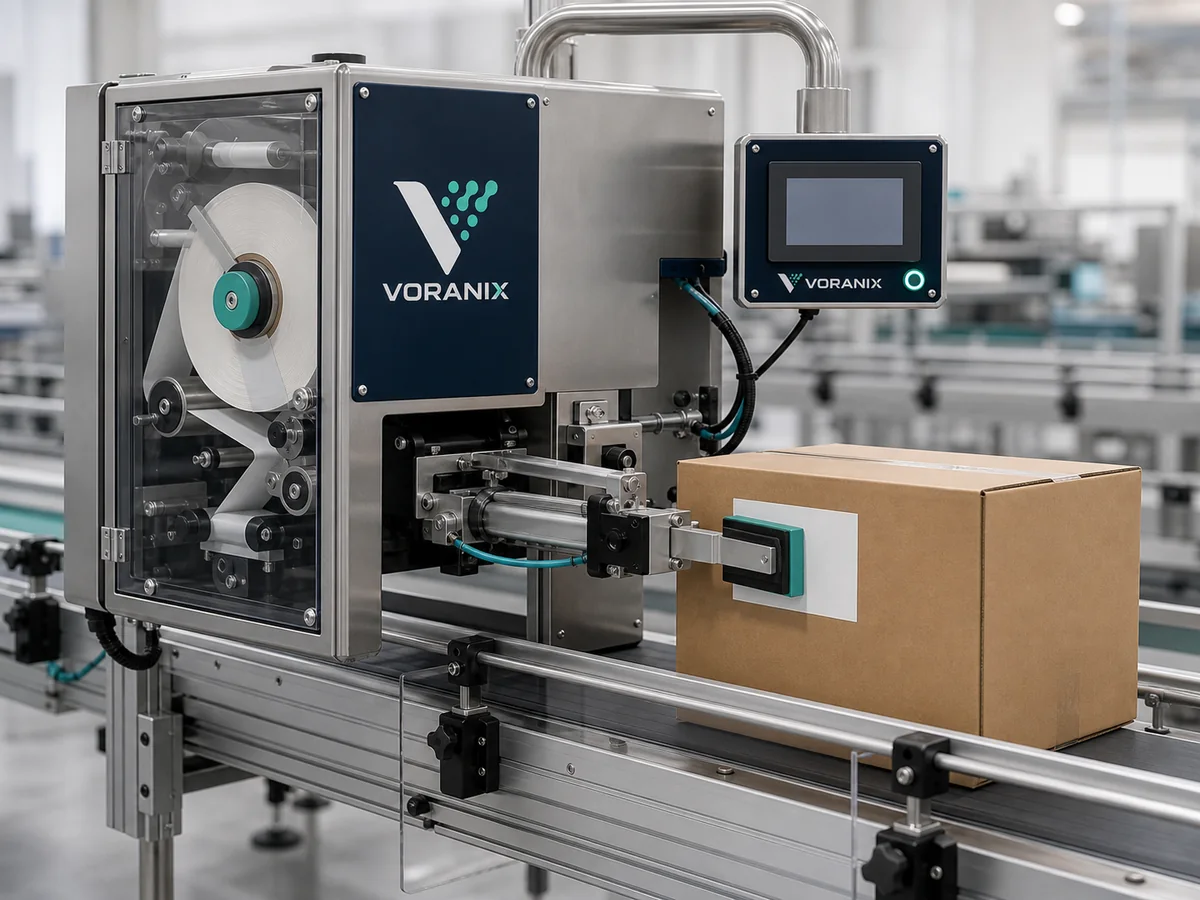
Plan label application, print-and-apply, product handling and line-control requirements.
Explore technology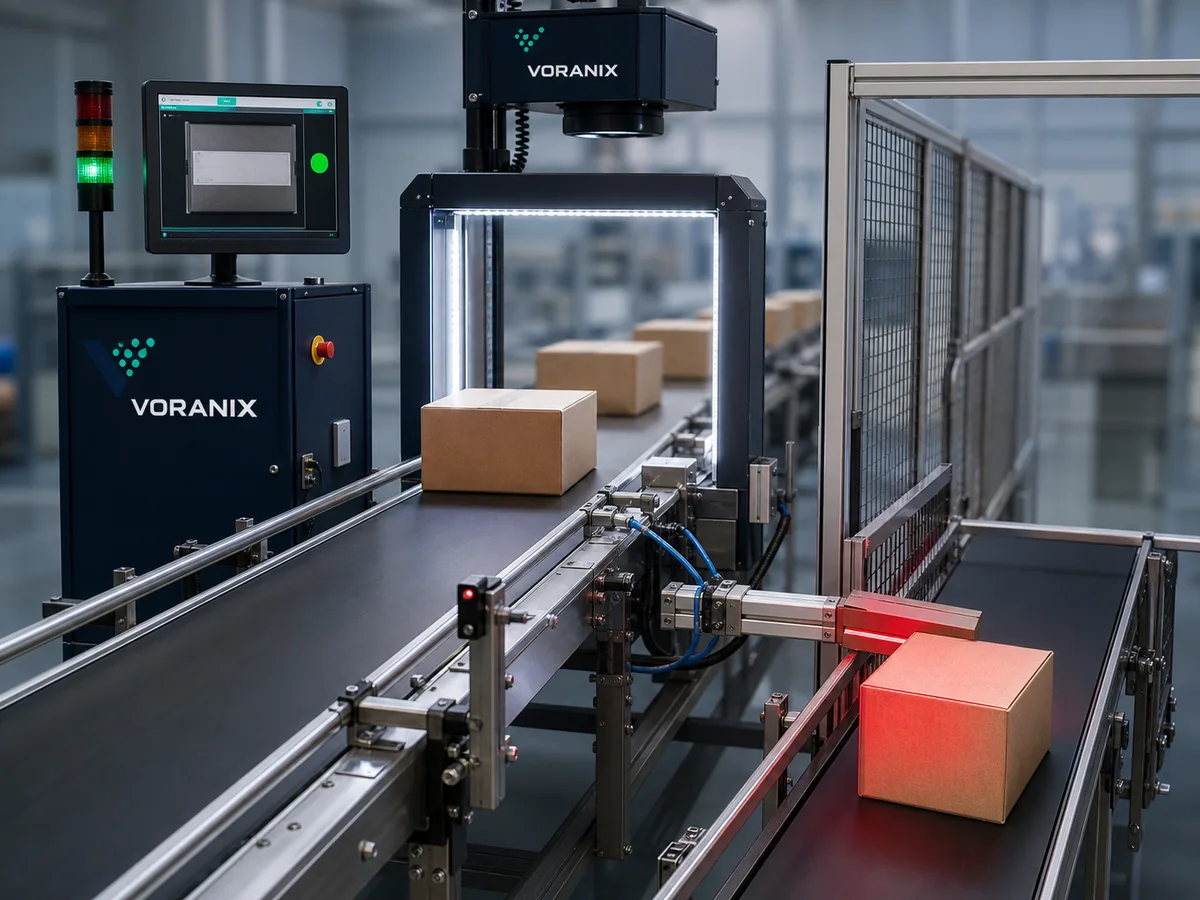
Define code presence, OCR/OCV, barcode or DataMatrix verification, alarms, rejects and records.
Explore technologyIndustries
Coding, verification, serialization and line data for regulated packaging.
View industry solutionsDirect-part and packaging identification designed around UDI workflows.
View industry solutionsDate, lot, 2D code and packaging identification across primary and secondary packs.
View industry solutionsCoding and verification for bottles, caps, cans, labels, cases and pallets.
View industry solutionsCompact permanent identification and verification for PCBs and components.
View industry solutionsLine-synchronized coding for cable, wire, pipe and continuous extrusion.
View industry solutionsFeatured applications
Compare standalone marking, online verification and traceability configurations.
Compare optionsAssess code adhesion, permanence, contrast, synchronization and line space.
Compare optionsMatch technology to film motion, code size, ribbon or ink and packaging equipment.
Compare optionsConnect variable-data printing with defined inspection and data requirements.
Compare optionsIntegrated solutions
Start with the coding task, define the inspection requirement, then add data integration only where the project requires it.
Laser, inkjet, TTO or labeling selected around substrate, content, speed and environment.
Presence, position, OCR/OCV, barcode or DataMatrix checks with alarm or reject behavior.
Serialization, aggregation, line control, records and scoped enterprise interfaces.
Three solution levels
A focused system for applying the required code.
Add defined online inspection and nonconformance handling.
Add serialized data, aggregation and integration layers.
Solution Finder
Provide product form, material, code, speed, environment, verification level and integration interface.
Engineering decision process
Product form, material, code content, size, speed and environment.
Compare technically credible marking, printing and handling options.
Choose standalone, print and verify, or full traceability.
Confirm samples, safety, interfaces and acceptance criteria.
Partner paths
Discuss footprint, mounting, interfaces, documentation and project responsibilities.
Discuss an OEM projectDefine system boundaries, protocols, controls, commissioning and acceptance.
Review an integration projectExplore product coverage, technical enablement and local market cooperation.
Discuss cooperationFrequently asked questions
Selection depends on material, permanence, contrast, code content, line speed, space, environment, safety and maintenance expectations.
Many applications can add a camera, lighting, inspection logic, alarm or reject and result storage. The task must be defined first.
A concept may include serialization, aggregation, line control, audit records and scoped customer or regulatory interfaces.
Provide product form, material, code, speed, environment, verification, interfaces and available samples.
Next step
Share the application variables and available samples. The concept remains provisional until the application, safety and interfaces are verified.